“Someone said I was too English. This quite staggered me.” [Ivor Novello]
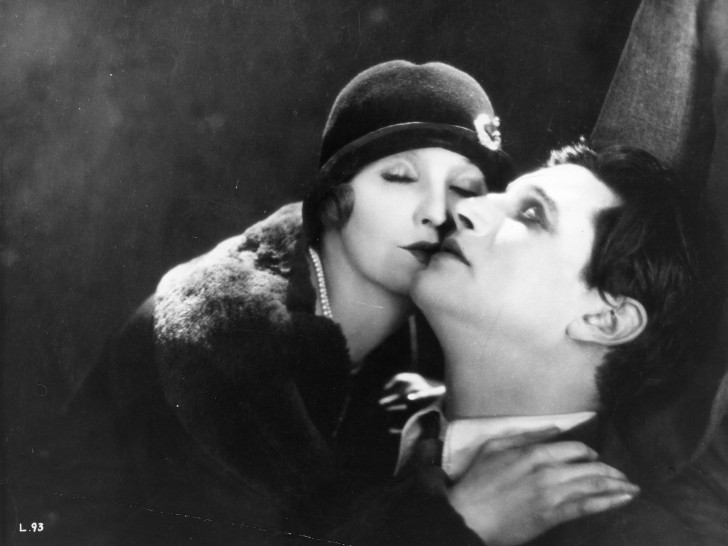
The silent 1927 film ‘The Lodger – A Story of the London Fog’ brings together the nascent genius of two of the greatest stars of British cinema. Alfred Hitchcock behind the lens and Ivor Novello in front of the camera.
Considered Hitchcock’s first thriller, indeed a film that helped shape the modern genre, a serial killer named ‘The Avenger’ stalks the streets of London, killing only fair-haired women – could the appearance of a mysterious lodger hold the key to the mystery?
And so there is a third star – London itself. A London somehow both more innocent and less – a time of policemen on every corner and yet a city still in the shadow of the Jack the Ripper murders, to which the script owes much of its inspiration.
Hitchcock’s technical inventiveness and artistry is already on display – a staircase, shot from above, the dizzying perspective showing an uncannily disembodied hand gliding down the banister. Or the breathtaking surprise of breaking the fourth wall at the most unexpected moment – still a genuine shock to me viewing the film today almost exactly a hundred years after it was first screened.
But the film really belongs to its leading man.
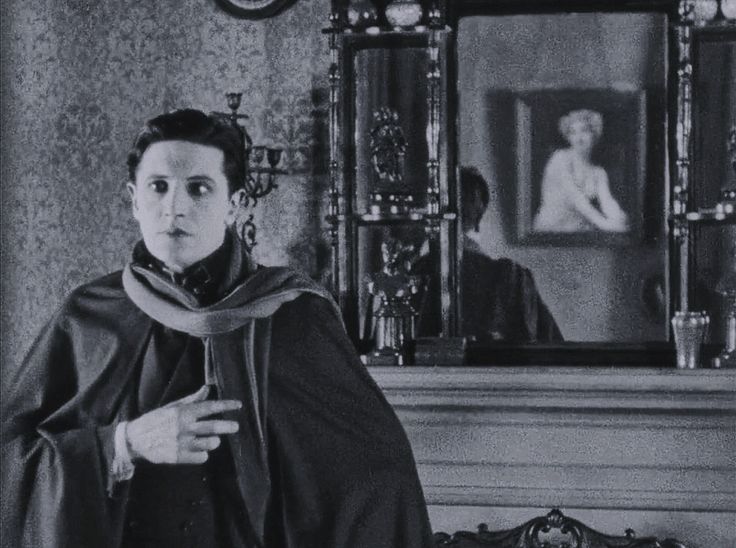
No one could command the screen like Ivor Novello. From the moment he appears in the boarding house doorway he is impossible to take your eyes off. No wonder he was considered the greatest matinee idol of the 1920’s.
“The two most beautiful things in the world are Ivor’s profile and my mind” [Noel Coward]
Most people think of Novello today in connection to the prestigious music prize for songwriting that bares his name, reminding us just how multitalented he was, a great composer and wordsmith, as well as a stage and screen star.
Here, without the need for words – he casts quite a spell: