Come see me tonight
If loneliness allows,
Point the headlights at me,
Then come slowly,
Wave goodbye to me,
A jasmine handkerchief,
An untouched embrace,
Be crazy by my side,
Look inside me.
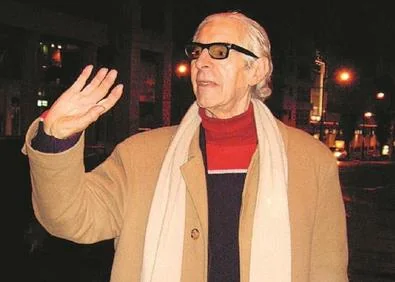
These beautiful lines of poetry are actually lyrics from the chorus of the great Portuguese singer Pedro Abrunhosa – ‘Senhor Do Adeus.’ It is a song dedicated to a real Lisbon folk hero João Manuel Serra.
For 30 years, after the death of his mother, João stood every night at the same spot in Saldanha and waved goodbye to the cars as they passed him. So beloved was he by the people of Lisbon that, broken-hearted by his death, they convinced the council to erect a permeant memorial in his honour.
The power of such a simple gesture of connection has since inspired books, murals and this poignant song.
It is such a singularly Portuguese act, to wave goodbye, touched as it seems with the loneliness and longing that haunts Fado music – ‘saudade’ – a Portuguese word that has no direct translation but is most closely linked to the English word ‘longing’, somewhere between melancholy and nostalgia, a bitter sweet indefinable sense of absence.
Yet, even in this most Portuguese of songs, I was thrilled to see an Anglo-Irish influence…
I am a statue of skin and dreams
The happy prince of Saldanha
I hide swallows in my chest
The heart belongs to whoever catches it
This is clearly a reference to a favourite childhood story of mine, Oscar Wilde’s ‘The Happy Prince.’ At the end of the story, God names the statue of the Happy Prince and the swallow, his bird companion in suffering, as the two most precious things in the city.
So, the ‘Man who waved Goodbye’, remains a precious memory for many Lisboetas.