“How much better is silence; the coffee cup, the table. How much better to sit by myself like the solitary sea-bird that opens its wings on the stake. Let me sit here for ever with bare things, this coffee cup, this knife, this fork, things in themselves, myself being myself.” [Virginia Woolf ‘The Waves’]
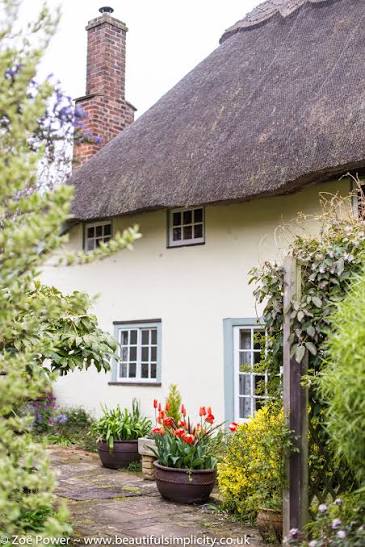
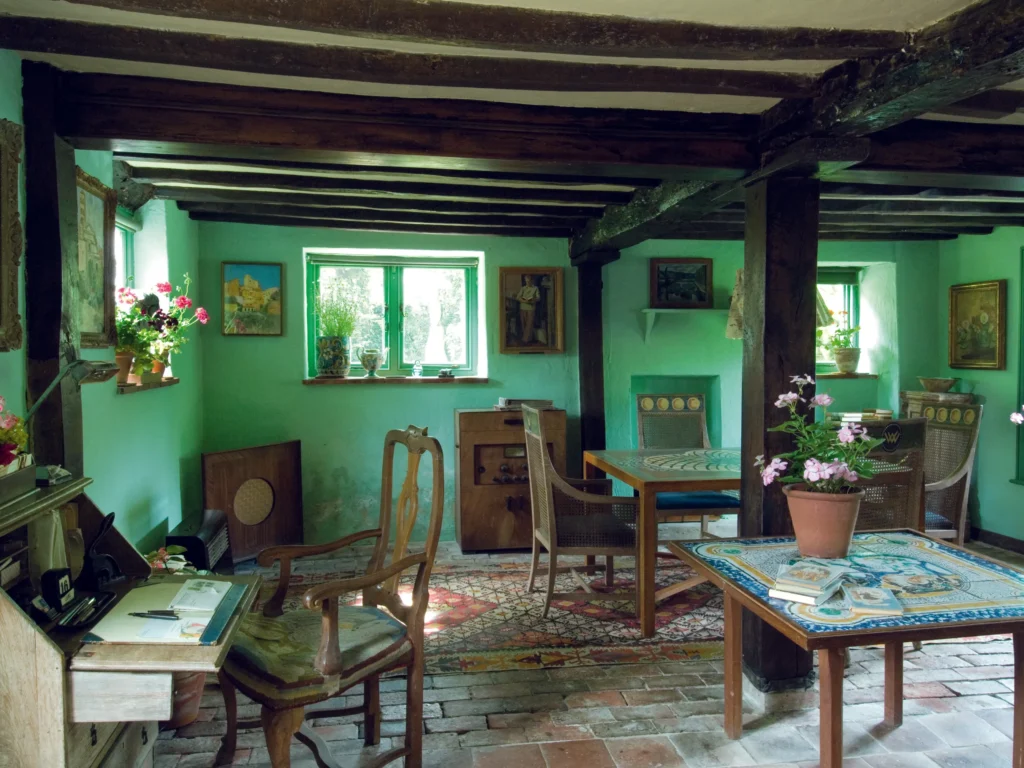
Monk’s House, East Sussex.
I remember reading about Virginia Woolf’s joy and despair at reading Proust – “Oh if I could write like that! I cry.” Didn’t she know that she too was one of the great writers of the twentieth century? I suspect that the answer is both yes and no.
Visiting Monk’s House, Woolf’s most beloved home, a 17th century country retreat in the South Downs, is like stepping inside the most joyful corners of her mind. The dancing light greens of Woolf’s painted walls, reflecting out on the garden – inviting you to step down the path to her writing lodge.
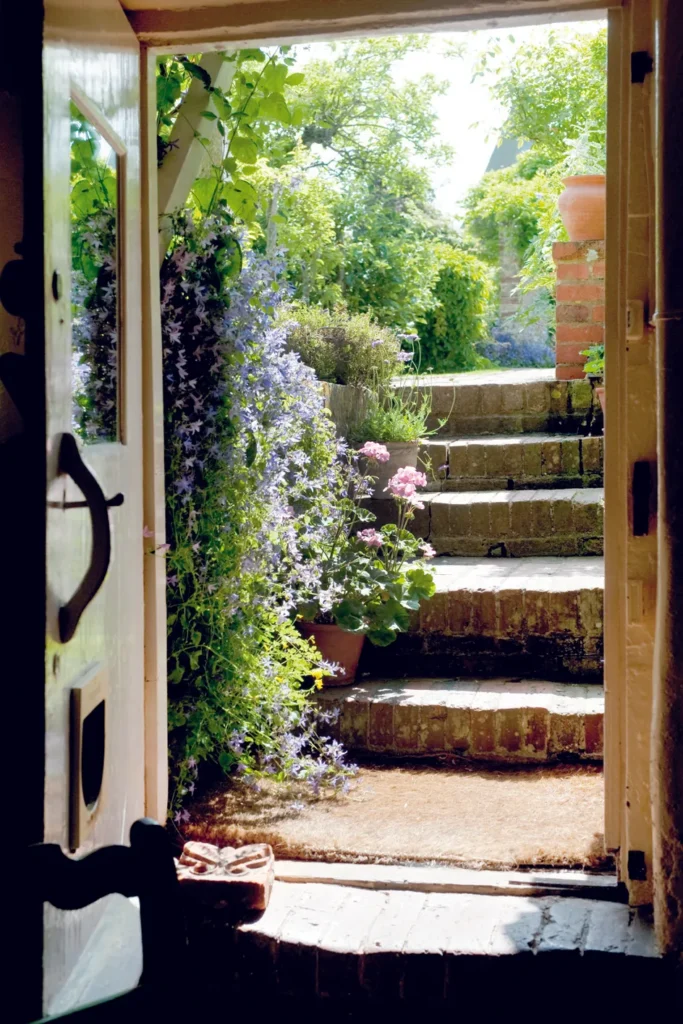
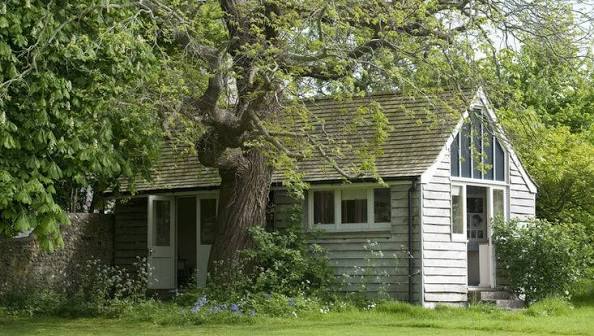
Reflecting the ‘wildness’ of the garden perhaps, her imagination found its full freedom here. In her little writing sanctuary, she wrote her greatest works including Mrs Dalloway, To the Lighthouse, A Room of One’s Own, and The Waves.
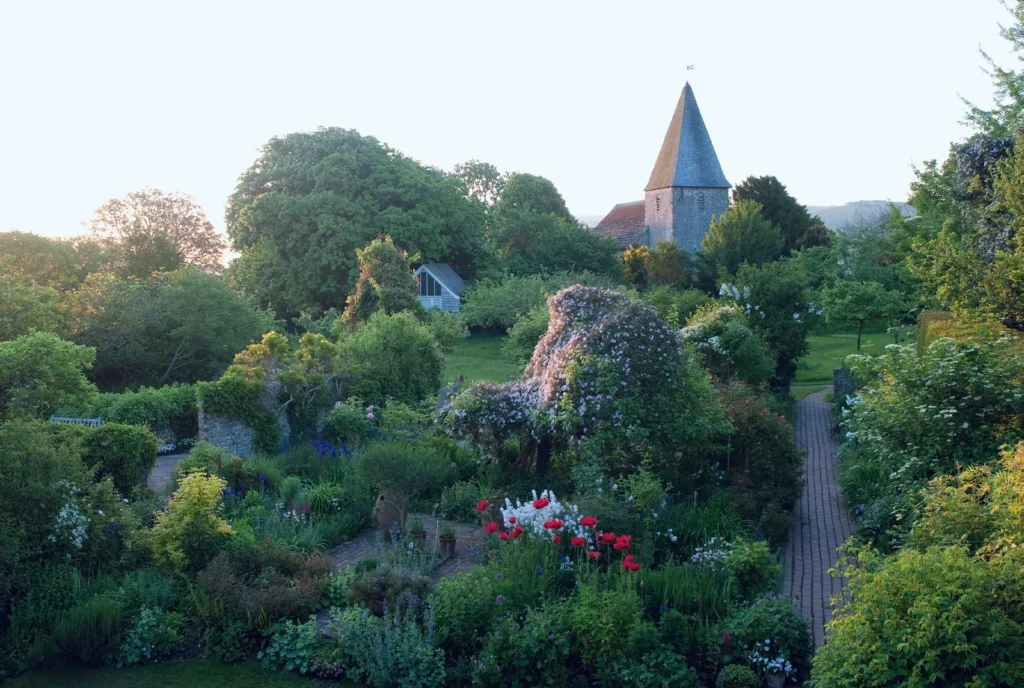
‘this is going to be the pride of our hearts, I warn you’. [A view of Woolf’s garden, looking down to her writing shed]
Looking out over the meadows, it was impossible for me not to think of her final day – when she walked across those very fields to the river Ouse. There, she neatly left her hat and cane on the bank of the river, put stones in her pockets, before wading out into the cold water.
Her death still colours the way we read her work and consider her life.
But, returning to the house, I was struck again by its strange beauty. The small touches left exactly as they were, the unmistakable Bloomsbury aesthetic. The joyfulness of the place, that was also her.
“The great revelation perhaps never did come. Instead, there were little daily miracles, illuminations, matches struck unexpectedly in the dark; here was one.” [Virginia Woolf ‘To the Lighthouse’]
No other quote sums up her writing so well for me. The match struck unexpectedly in the dark, illuminating all manner of riches.
I end with the song ‘Rapture’ by Laura Veirs referencing as it does, both the manner of Woolf’s death and the struggle of darkness and light that was her creative spirit.
“And young Virginia Woolf
Death came and hung her coat
Love of color, sound and words
Is it a blessing or a curse?
Enraptured”