‘I used to make a move, and then I’d think about it. But now I think, and then I move.’ [John Healy ‘The Grass Arena’]
I have just finished watching the Netflix documentary ‘Queen of Chess’, an extraordinary and elucidating look at the rise of Judit Polgar, the youngest ever Grandmaster at just 15 years old. Overcoming sexism and the Communist Hungarian authorities to triumph at the very highest levels of the game.
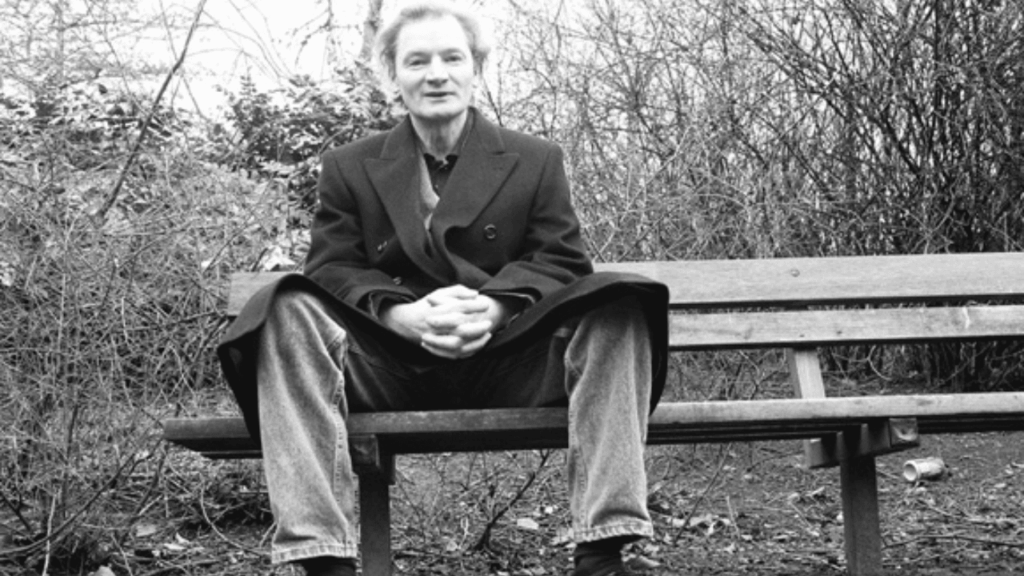
This fascinating documentary reminded me of another chess triumph against the odds, the case of John Healy, whose autobiography ‘The Grass Arena’ remains a literary classic. Born in London to poor Irish immigrants, his father was a tyrannical and abusive bully whose hard drinking lifestyle the young John initially followed.
He wasted a decade, a homeless alcoholic, finally winding up in prison.
Then, one day, his cellmate introduced him to chess, the pieces cut from cardboard. It was the transformative moment of his life. Showing phenomenal aptitude for the game, chess immediately replaced alcohol as his new addiction:
“Yes, it happened just like that – no dribs or drabs. Chess is a jealous lover. Will tolerate no other …”
As chess was to Healy, so, sometimes, a book is not simply a book, but a door to a new way of life. ‘The Grass Arena’ has proved that book for many people in dark times.